

Routine Illicit Drug Inspection Services for Recovered Stolen Vehicles
Scheduled On-Site Inspections | Risk-Based Testing | Insurance-Eligible
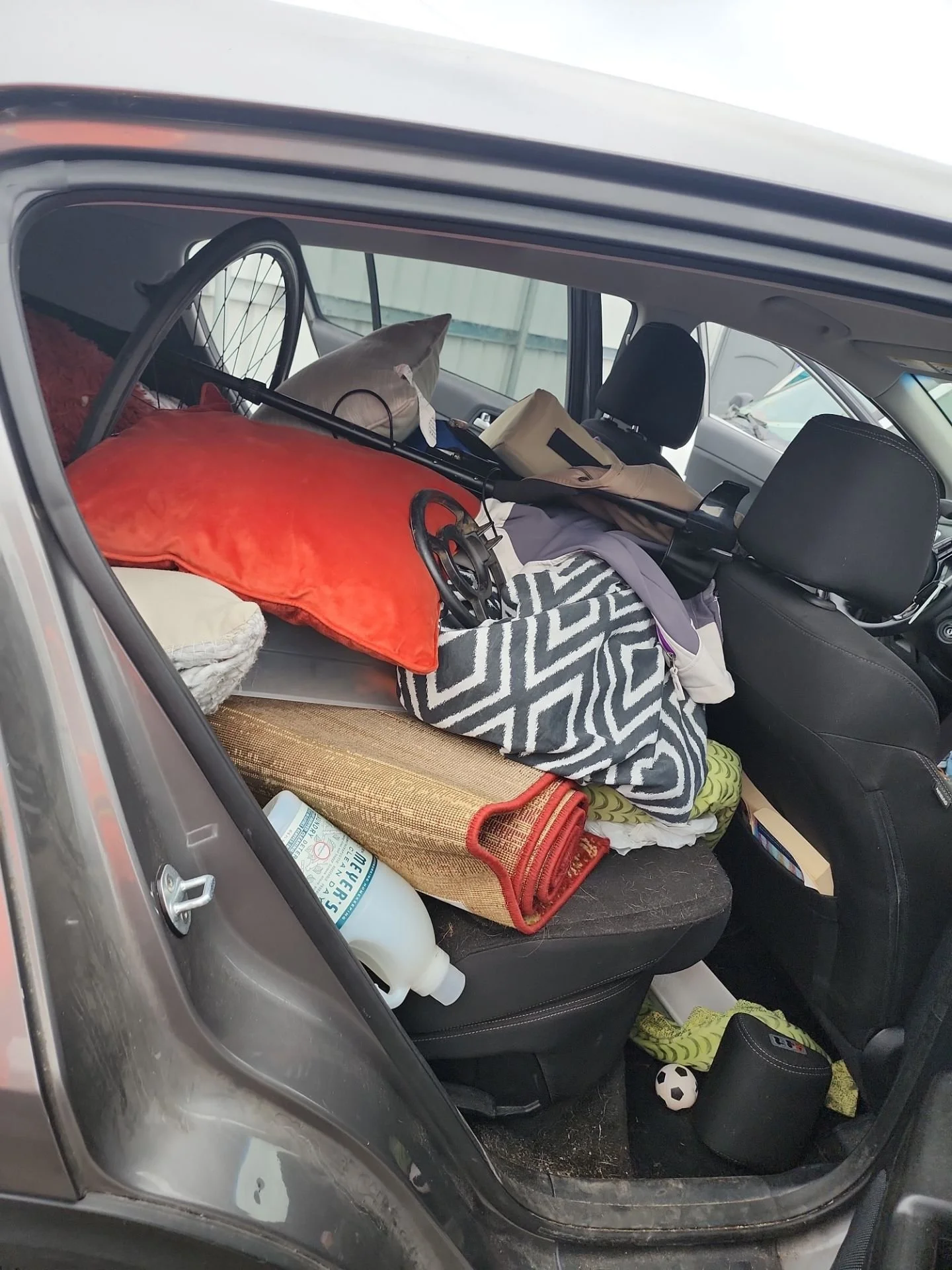
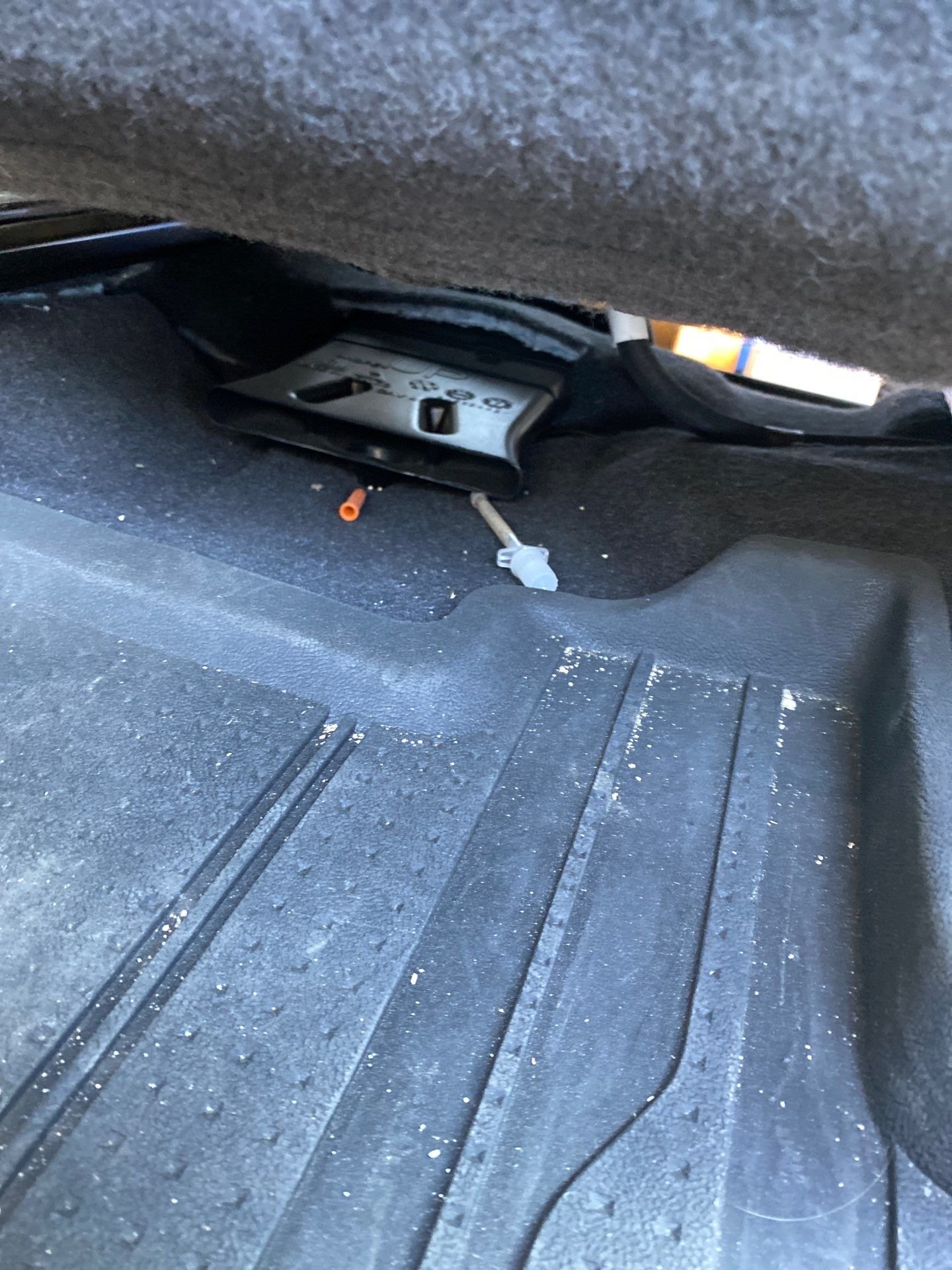
Recovered vehicles frequently contain hidden drug residue or paraphernalia that can expose employees, operators, and anyone working on or around the vehicle to serious health risks.

Monthly Illicit Drug Vehicle Inspection & Testing Services
Auto body shops, salvage yards, towing companies, fleet operators, dealerships, and vehicle storage facilities routinely receive vehicles that have been stolen, abandoned, used for illicit drug activity, or recovered by law enforcement. These vehicles present a high and often unrecognized risk to employees, technicians, detailers, transport staff, and future vehicle operators.
Safety Services Management (SSM) provides routine monthly illicit drug inspection services designed to identify hidden drug hazards before they result in exposure, injury, illness, or liability.
Our program functions similarly to routine CHP inspections or VIN/chip-reading inspections—a proactive, repeatable safety measure that helps facilities identify risks early and make informed decisions.
Why Monthly Illicit Drug Inspections Are Necessary
Recovered and previously occupied vehicles frequently contain drug residue, paraphernalia, or concealed substances. Drugs such as fentanyl, carfentanil, xylazine, and nitazenes are extremely potent and can be lethal at very small doses, often invisible to the naked eye.
Exposure risks exist when employees:
Work inside vehicles
Clean or detail interiors
Transport or store vehicles
Operate recovered vehicles
These risks extend beyond employee safety. Exposure incidents can lead to work stoppages, workers’ compensation claims, regulatory attention, and reputational damage.
What SSM Provides
Routine Monthly On-Site Inspections
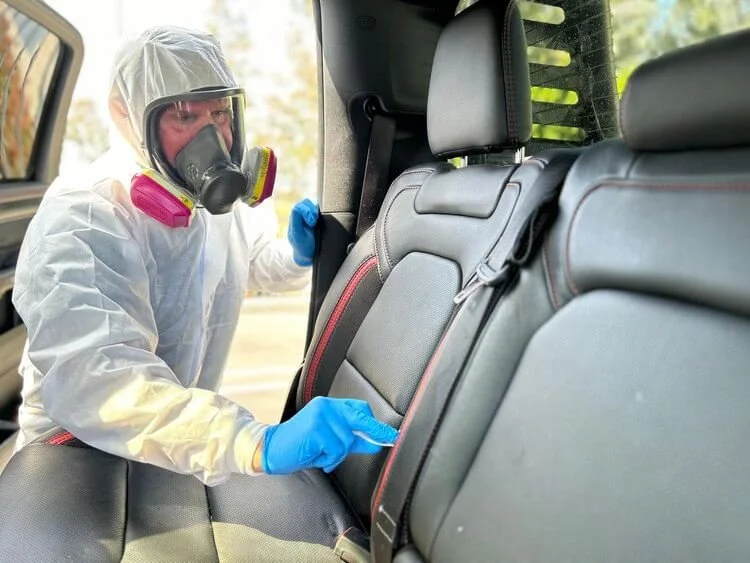
SSM technicians perform scheduled on-site vehicle inspections as part of a monthly subscription program. Inspections are designed to identify visible and hidden indicators of illicit drug activity.
Each inspection may include:
Visual evaluation for paraphernalia, powders, residues, pills, and unknown substances
Identification of high-risk areas and touchpoints
Hazard hunt and removal of visible drug-related debris (as included in selected plans)
On-Site Field Screening
When indicators are present, SSM technicians perform reagent field screening to identify the possible presence of common illicit drugs, including fentanyl, methamphetamine, cocaine, heroin, and nitazenes.
Reagent tests rely on chemical reactions and provide rapid screening results. However, they have limitations and may produce false positives or false negatives, particularly when dealing with emerging synthetic drugs or altered formulations.
Because of these limitations, reagent testing is used as a screening tool, not a final determination of safety.
Understanding the Different Types of Illicit Drug Testing
SSM uses a layered testing approach because no single testing method is appropriate for every situation. Each testing type has specific strengths and limitations, and understanding these differences helps explain how SSM evaluates potential illicit drug hazards in vehicles. No testing method certifies a vehicle as safe or free from contamination; results are intended to support risk awareness and informed decision-making.
Reagent Field Screening
What it is:
Reagent testing uses chemical reactions to screen surfaces for the possible presence of specific illicit drugs, most commonly fentanyl and methamphetamine.
Pros:
Rapid results suitable for field screening
Cost-effective for routine inspections
Useful for identifying obvious indicators of contamination
Helps determine when additional testing may be appropriate
Cons:
Limited to a small number of drugs
Does not identify drug analogs or emerging substances
Can produce false positives or false negatives
Does not determine quantity, concentration, or potency
Best used for:
Initial screening and routine inspections to identify potential indicators of illicit drug activity.
Mass Spectrometry Analysis (MX908)
What it is:
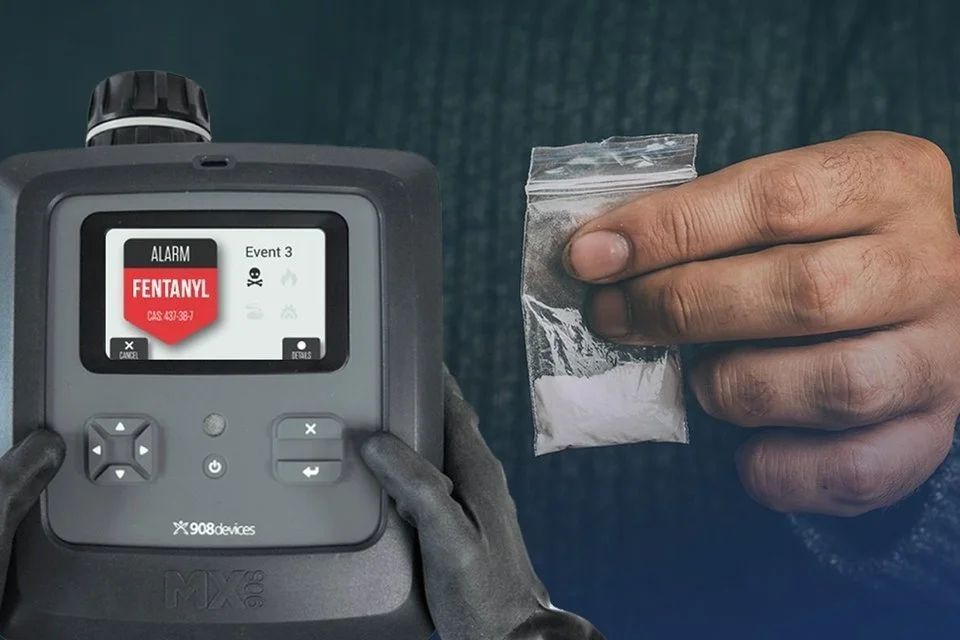
Mass spectrometry analyzes collected samples by ionizing particles and comparing their signatures against a library of known illicit drugs and chemical compounds. This method allows identification of multiple drugs and analogs within a single analysis.
Pros:
Identifies a broad range of illicit drugs and analogs
Detects multiple substances during one analysis
Provides a more complete hazard profile than single-drug testing
Includes access to forensic analysis support for complex or atypical findings
Cons:
Does not determine quantity, concentration, or potency
Higher cost than reagent screening
Not intended to replace laboratory testing required for legal proceedings
Best used for:
Confirmation testing, evaluation of unknown substances, and situations where broader identification of illicit drugs is required.
Laboratory Testing
What it is:
Laboratory testing involves collecting wipe samples and submitting them to an analytical laboratory for targeted analysis of specific drugs.
Pros:
Highly sensitive for the specific drugs requested
Often required for regulatory, legal, or evidentiary purposes
Cons:
Tests only for drugs specifically requested
Samples a limited number of locations
High cost per drug and per sample
Longer turnaround times
Does not provide comprehensive coverage for routine screening
Best used for:
Legal matters, regulatory requirements, or confirmatory analysis when laboratory documentation is required.
Why SSM Uses a Layered Testing Approach
SSM combines visual inspections, reagent screening, mass spectrometry analysis, and laboratory testing when appropriate to balance safety, coverage, and cost.
Laboratory testing may be used in connection with other testing methods when needed, but it is not used as a preliminary assessment tool due to its cost, limited sampling coverage, and narrow detection scope. This layered approach allows SSM to identify potential hazards more effectively while supporting routine operations and employee safety.
Advanced Confirmation Testing Using Mass Spectrometry
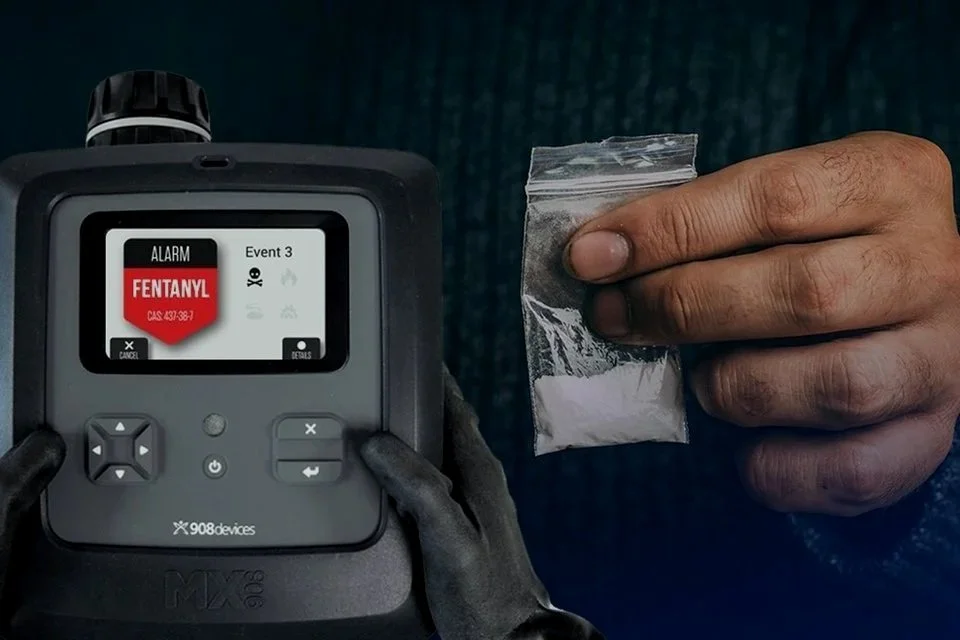
SSM is among the only service providers offering advanced mass spectrometry analysis for vehicles using the MX908 high-pressure mass spectrometer.
Mass spectrometry analyzes collected samples by ionizing particles and comparing the resulting ion signatures against a built-in library of known illicit drugs and chemical compounds. Each substance has a unique mass-to-charge pattern, allowing the system to identify multiple drugs and analogs during a single analysis.
Why Mass Spectrometry Is Critical
Traditional testing methods, including laboratory analysis, typically test only for the specific drugs requested. If a vehicle is tested for methamphetamine and fentanyl, but xylazine or nitazenes are present, results may still return negative.
Drug manufacturers and cartels continuously alter drug formulations to avoid detection, making narrow testing approaches unreliable.
SSM’s MX908 Testing Approach
When mass spectrometry analysis is performed, SSM technicians:
Sample more than 65 touchpoints per vehicle
Evaluate steering wheels, seats, consoles, vents, handles, storage areas, and concealed locations
Identify multiple illicit drugs and analogs within a single analysis
This approach provides a far more complete hazard profile than traditional testing methods and helps identify real-world exposure risks.
SSM’s mass spectrometry analysis detects nearly all illicit drugs, excluding marijuana (which can be tested when requested), offering a more accurate picture of contamination and hazard presence. For complex or atypical findings, SSM also has access to a forensic analysis team for additional evaluation when needed, which is included in our mass spectrometry analysis at no additional charge.
Why Traditional Laboratory Testing Is Cost-Prohibitive
Laboratory wipe samples typically combine 4–5 locations into one composite sample (400–500 cm²). With the common minimum of three laboratory samples per vehicle, only 12–15 locations are evaluated.
To match SSM’s MX908 coverage of 65+ touchpoints, a laboratory would need approximately 13–17 composite samples per vehicle. Even testing for just the five most dangerous drugs—at approximately $150 per drug, per sample—would result in $9,750–$12,750 per vehicle, before technician and handling fees. This example reflects only the highest-risk drugs and not the full range of substances SSM is capable of detecting.
Actual laboratory pricing, drug panels, and sampling requirements vary by laboratory and jurisdiction.
For these reasons, laboratory testing is best reserved for confirmatory or legal purposes, while SSM’s layered approach provides broader coverage at a practical cost for routine screening.
What Happens After You Subscribe
Once you subscribe to one of SSM’s monthly inspection services, our team will contact you to set up recurring on-site inspection services. Inspections are scheduled based on your operational needs, vehicle intake volume, and site logistics to minimize disruption.
After scheduling is established, inspections occur on a consistent, recurring basis, providing ongoing visibility into potential illicit drug hazards and supporting a proactive safety program.
Employee Awareness & Safety Training (Included for Subscribers)
SSM provides annual employee safety awareness training for subscribed members, including:
Illicit drug contamination awareness
Recognition of high-risk indicators
What to do when signs of illicit drugs are encountered
Hands-only CPR
Naloxone (Narcan) awareness and use
This training helps employees recognize hazards early, avoid exposure, and respond appropriately.
Cleaning & Vehicle Restoration Services
If a vehicle returns positive results, SSM can clean and restore the vehicle for future use. Cleaning services are offered separately and are based on testing results and contamination levels.
Protecting People and Protecting Your Brand
Routine illicit drug inspections reduce exposure risk for employees and contractors, support safer vehicle handling and processing, demonstrate proactive safety practices, reduce operational disruption, and protect your company’s brand and reputation.
Facilities that ignore these risks often discover them after an exposure incident occurs. SSM’s monthly programs are designed to identify hazards before they cause harm.
Why Safety Services Management
SSM is the only provider offering routine vehicle inspections with on-site mass spectrometry, detecting multiple illicit drugs in a single analysis while sampling significantly more locations per vehicle. Our layered testing approach balances safety, accuracy, and cost, with a focus on employee safety, operational continuity, and liability reduction.
Monthly Inspection Plan Options
SSM offers tiered monthly inspection plans so facilities can select the level of screening, testing, and oversight that best matches their vehicle volume, risk profile, and operational needs. All plans are designed to support employee safety, reduce exposure risk, and provide actionable information when illicit drug hazards are identified.
Basic Monthly Inspection Plan
Designed for facilities seeking routine safety screening and employee awareness.
Includes:
One scheduled on-site visit per month
Visual inspection for indicators of illicit drug activity
Reagent field screening as requested ($295 per vehicle tested)
Hazard hunt and trash removal of visible drug-related debris
Written findings letter
Vehicle inspection sticker indicating recommended next steps
Annual employee safety awareness training
Best for:
Lower-volume facilities, dealerships, or storage locations looking to establish a baseline safety program and identify obvious risks.
Silver Monthly Inspection Plan
Provides increased inspection frequency and broader coverage for higher vehicle turnover.
Includes:
Two scheduled on-site visits per month
Expanded visual inspections and hazard hunts
Reagent field screening as requested ($195 per vehicle tested)
Written findings documentation and inspection stickers
Annual employee safety awareness training
Priority scheduling for additional testing
Best for:
Auto body shops, tow yards, and salvage facilities with regular intake of recovered or previously occupied vehicles.
Gold Monthly Inspection Plan
SSM’s most robust program, combining routine inspections with advanced confirmation testing capabilities.
Includes:
Two scheduled on-site visits per month (or customized frequency)
Comprehensive visual inspections and hazard hunts
Reagent field screening as needed
Mass spectrometry-based confirmation testing (MX908) as requested ($585 per vehicle tested)
Sampling of 65+ touchpoints per vehicle during mass spectrometry testing
Written findings and documented results
Annual employee safety awareness training
Priority access to cleaning and vehicle restoration services
Best for:
High-volume salvage yards, fleet operators, towing companies, and facilities with frequent exposure to recovered or high-risk vehicles.
Add-On Services (Available With Any Plan)
Advanced confirmation testing using on-site mass spectrometry (MX908)
Additional inspection visits
Vehicle cleaning and restoration following positive findings
Marijuana testing when requested
Choosing the Right Plan
Facilities with minimal vehicle turnover may only require routine screening, while high-volume or high-risk operations benefit from increased inspection frequency and advanced confirmation testing. SSM’s team can help evaluate your operation and recommend a plan that aligns with your safety goals, vehicle volume, and budget.